Same-day Emergency Appointments Available!

By Riverside Dental | February 4, 2026
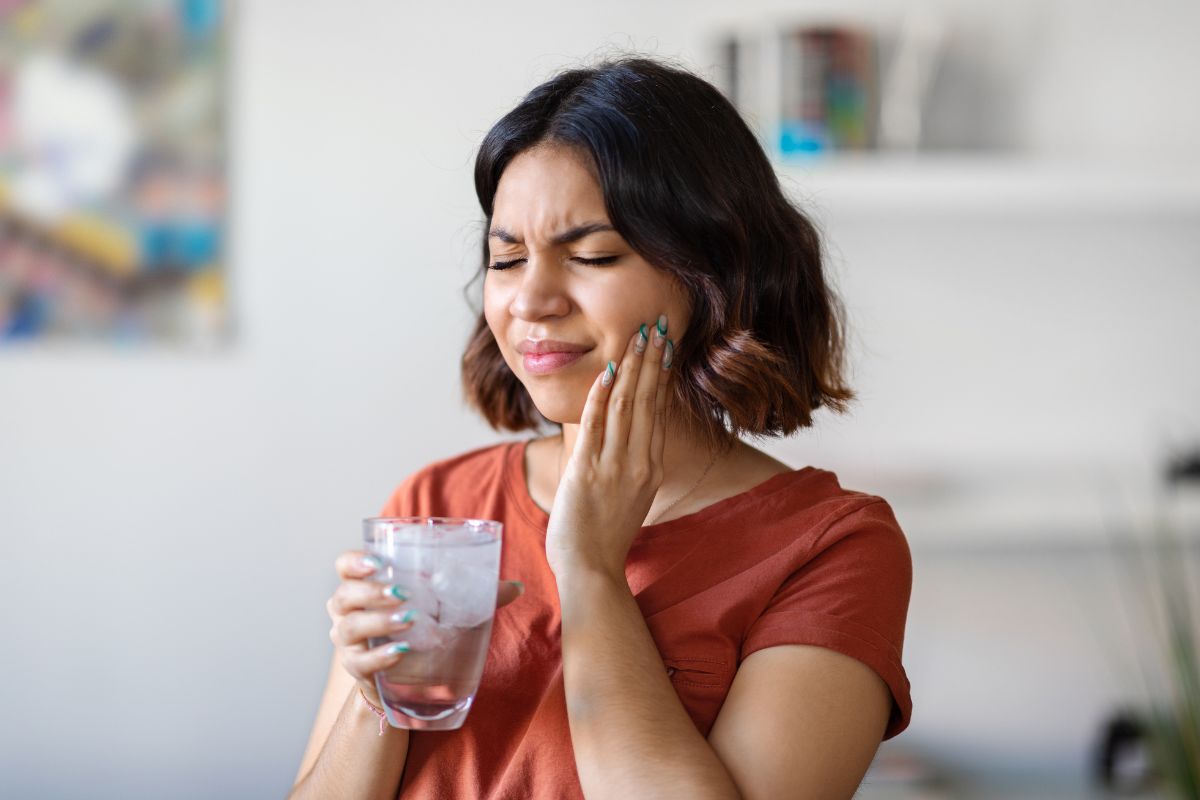
That sharp, sudden sting when you sip a cold drink can instantly ruin the moment. Whether it’s iced water, soda, or a frozen treat, tooth sensitivity is one of the most common and most ignored dental problems. Many Tucson residents assume sensitive teeth are normal and simply learn to live with them. However, in reality, cold sensitivity is often your body’s way of signaling that something isn’t right.
Understanding what causes tooth sensitivity and knowing when to take action can help prevent more serious dental problems down the road. Let’s explore what your sensitive teeth are trying to tell you. Learn how cold drinks hurting teeth, when to worry, and how timely dental care can restore your comfort.
What Is Tooth Sensitivity?
Tooth sensitivity occurs when the protective enamel layer becomes worn or damaged, exposing the inner dentin. Dentin contains tiny tubules that lead directly to the nerve of the tooth. When cold liquid enters these tubules, it triggers nerve pain, that sudden jolt you feel.
Patients often start noticing symptoms during routine activities like drinking cold beverages, brushing, or breathing in cold air. This is usually when they begin looking for advice from a trusted local dentist to understand what’s happening.
Common Causes of Cold Sensitivity:
Here are some common reasons why you have cold sensitivity:
- Enamel Erosion: Frequent consumption of acidic foods and drinks, such as citrus, soda, sports drinks, and coffee, slowly wears away enamel. Once enamel thins, cold sensitivity becomes more noticeable.
- Gum Recession: Receding gums expose the tooth root, which lacks protective enamel. This leaves the tooth highly vulnerable to temperature changes.
- Tooth Decay or Cavities: Even small cavities can create sensitivity by allowing cold liquid to reach the inner tooth layers.
- Cracked or Chipped Teeth: Tiny cracks can expose dentin and allow cold temperatures to irritate the nerve.
- Recent Dental Procedures: Temporary sensitivity is common after dental cleanings, fillings, or crown placement. If sensitivity lasts more than a few days, evaluation is recommended.
- Teeth Grinding (Bruxism): Grinding wears down enamel, making teeth more prone to sensitivity.
When Tooth Sensitivity Becomes a Problem?
Even if cold drinks hurting teeth, occasional mild sensitivity isn’t always serious. However, persistent or worsening sensitivity could indicate:
- Developing cavities
- Early-stage gum disease
- Cracked teeth
- Worn enamel
- Exposed tooth roots
Cold sensitivity begins interfering with daily activities, and it’s a strong sign to schedule a dental evaluation. Many patients at this stage begin seeking guidance from an experienced dentist in Tucson, AZ, to identify the cause before complications arise.
Why Ignoring Tooth Sensitivity Can Lead to Bigger Problems?
Tooth sensitivity is often an early warning sign. Delaying care can allow underlying problems to worsen, leading to:
- Deeper cavities
- Root infections
- Gum disease progression
- Tooth fractures
- Need for root canal therapy
Timely evaluation from a reliable dental provider in Tucson helps stop small problems before they become costly and painful.
Also Read: How to Choose the Right Dentist in Tucson: 7 Things Most Patients Forget to Check
How does A Dry Climate Affect Tooth Sensitivity?
The city’s dry desert climate contributes to dehydration, which reduces saliva production. Saliva plays a crucial role in neutralizing acids and protecting enamel. Low saliva levels can increase:
- Acid erosion
- Gum irritation
- Tooth sensitivity
Seasonal allergies and sinus pressure may also mask early dental discomfort, causing patients to delay treatment longer than they should.

How does A Dentist Diagnose Tooth Sensitivity?
If you are searching for a trusted dentist near me, then learn about how the evaluation often includes:
- Visual examination
- X-rays
- Gum health assessment
- Bite evaluation
- Sensitivity testing
This helps pinpoint the root cause and determine the most effective treatment plan.
Treatment Options for Tooth Sensitivity
Treatment depends on the underlying cause and may include:
1. Desensitizing Toothpaste: Special formulas block nerve signals and strengthen enamel.
2. Fluoride Treatments: Professional fluoride applications strengthen enamel and reduce sensitivity.
3. Dental Fillings: Used to repair cracks, chips, or small cavities.
4. Crown: For more advanced tooth damage.
Early treatment by a local dentist in Tucson often prevents the need for complex procedures.
What You Can Do at Home to Reduce Sensitivity?
Here are the tips you can follow:
- Use a soft-bristle toothbrush
- Avoid aggressive brushing
- Limit acidic foods and drinks
- Use fluoride toothpaste
- Rinse with water after acidic meals
- Avoid very hot or very cold foods temporarily
If symptoms persist, call us to get expert dental care or book an appointment with our dentist to uncover the real cause and receive personalized treatment.
When Should You See a Dentist?
You should schedule a dental evaluation if:
- Sensitivity lasts longer than a few days
- Pain becomes sharp or intense
- One specific tooth hurts more than others
- You notice gum recession or swelling
- Cold sensitivity is accompanied by bad taste or pressure
Many residents seek guidance from an experienced dentist in Tucson when these symptoms begin affecting daily comfort.
Why Early Dental Care Matters?
With the city’s dry air, intense heat, and mineral-rich water, enamel wear and gum irritation can progress faster than in other climates. Preventive dental care ensures:
- Healthier enamel
- Stronger gums
- Reduced sensitivity
- Lower risk of major dental procedures
Regular visits to a dependable Tucson dental provider help maintain long-term comfort and oral health.
Final Thoughts
Cold sensitivity isn’t something you should simply tolerate. It’s your body’s way of telling you that your teeth need attention. Addressing cold drinks hurting teeth early can restore comfort, prevent complications, and protect your long-term oral health.
If cold drinks are making you wince, call us today or book an appointment online to get answers, relief, and expert dental care tailored to your needs.
Frequently Asked Questions (FAQs)
1. Is tooth sensitivity permanent?
That’s not always the case! Many individuals see great improvements simply by following proper dental care and preventive treatments. It’s encouraging to know that with the right care, things can get much better.
2. Can sensitive teeth mean cavities?
Yes, cavities can often lead to cold sensitivity. That’s why it’s so important to catch them early, so you can keep your smile bright, healthy, and full of confidence!
3. Should I stop drinking cold beverages?
Taking a break from cold drinks can help, but it’s really important to focus on the right treatment that addresses the root cause. That way, you can feel better more effectively.
4. Does tooth sensitivity always require treatment?
It’s really helpful to stay attentive to any ongoing or increasing sensitivity, as it can really help prevent potential problems later on.
5. Can gum recession cause tooth sensitivity?
Exposed roots are delicate and vulnerable; seek professional help to ensure proper care and protection, keeping roots healthy and supporting the overall health of the plant or tree.