Same-day Emergency Appointments Available!

By Riverside Dental | July 30, 2026
A Toothache Doesn’t Start the Day It Hurts
By the time a tooth throbs enough to keep you up at night, the damage underneath has usually been building for months, sometimes longer. That’s the strange truth about most dental problems: pain shows up last, not first. If you’re searching for the early signs of dental problems, you’re already ahead of most people, because most of us don’t think about our teeth until something hurts.
Your mouth, though, has been sending quieter signals the whole time. A rough edge on an old filling. A little pink in the sink after brushing. A shadow on an X-ray too small to notice without training. A dentist in Tucson who knows what to look for can catch these signs weeks, months, even years before you’d ever feel them. You can’t, not without the right tools, the right angle, and years of trained eyes.
Why Most Dental Problems Hide in Plain Sight
Cavities Don’t Announce Themselves
Tooth decay usually starts in places you can’t see or feel: between teeth, under the edge of a crown, along the gumline where a toothbrush barely reaches. Enamel has no nerve endings, so a cavity can eat halfway through a tooth before it ever reaches the dentin layer and starts to ache. Early cavity detection depends on more than good brushing habits. It depends on someone actually looking, with light, magnification, and X-rays, at the parts of your teeth you’ll never see in a mirror.
| Did You Know? Untreated tooth decay is one of the most common chronic conditions in the country, and most of it starts painlessly. Early signs are almost always found on X-rays or during a hands-on exam, long before a patient notices anything at all. |
Why Catching Problems Early Actually Matters
Waiting to be in pain before booking a dental exam is a bit like waiting for the check-engine light before checking your oil. By the time the warning is impossible to ignore, the fix is usually bigger, slower, and pricier than it needed to be. Preventive dental care exists because small problems are simple to treat, while that same problem left alone for another year or two might mean a root canal, a crown, or worse.
There’s a comfort side to this too, one that’s easy to overlook. Small cavities are painless to treat. Deep infections are not. Every early catch is one less unpleasant appointment down the road, and often, one less unplanned dental bill.
Wondering how often you actually need these exams? Our guide, “How Often Should You Really Visit the Dentist? Tucson Experts Break It Down,“ explains how factors like age, gum health, and cavity risk can change your ideal checkup schedule.
The Real Risks of Waiting
Skipping regular dental checkups doesn’t just risk a slightly bigger cavity. The risks compound quietly, in ways that connect back to each other:
- A small cavity can progress into an infection that reaches the tooth’s nerve, turning a simple filling into a root canal.
- Untreated gum disease can lead to loose teeth, receding gums, and eventually tooth loss.
- Bite alignment can shift as teeth wear unevenly, adding strain most people never trace back to one small, ignored problem.
None of these start as emergencies. They start small, quiet, and easy to miss, which is exactly why the exam matters more than the toothache.
How a Professional Dental Exam Uncovers What You Can’t See
A Comprehensive Oral Health Examination
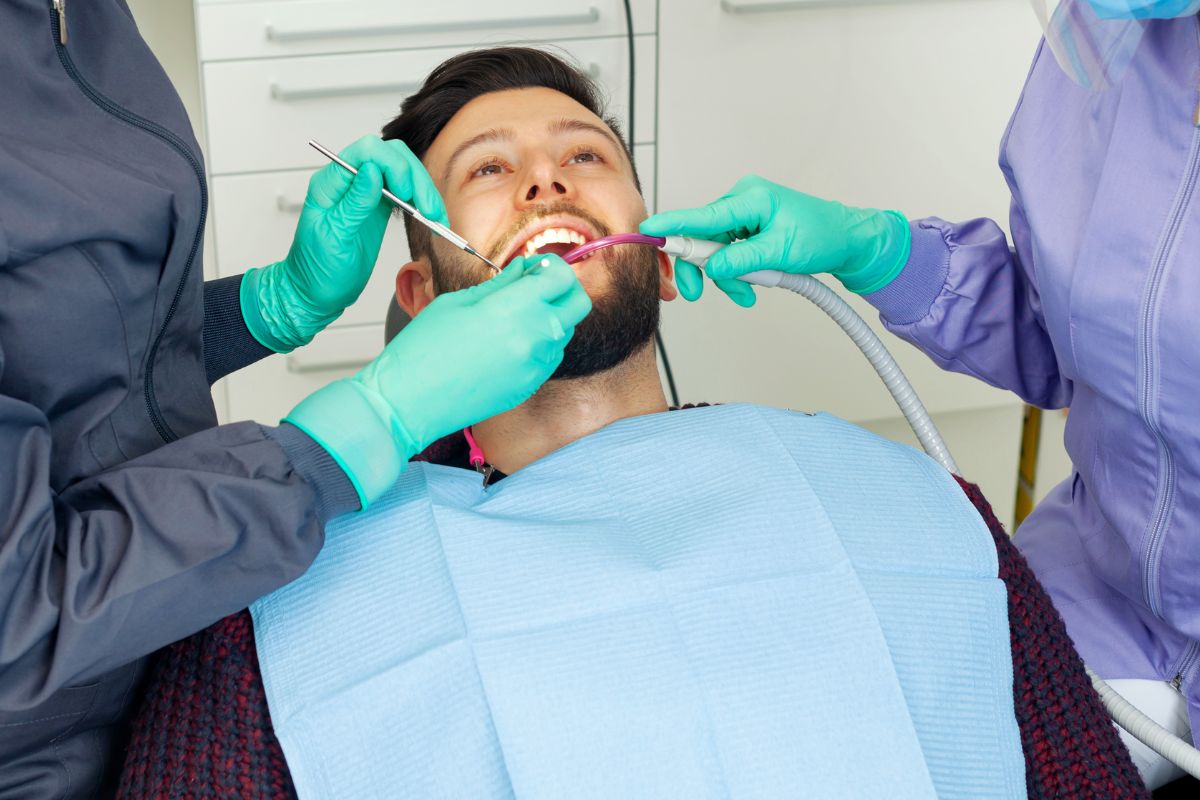
A comprehensive dental exam looks at more than your teeth. Your dentist checks enamel wear, bite alignment, existing restorative dentistry work like crowns or fillings, and the overall condition of your gums and soft tissue. It’s a full picture, not a quick glance.
What You Might Notice vs. What a Dental Exam Reveals
| What You Might Notice | What It Might Actually Mean | How a Dentist Detects It |
| Nothing at all | Early cavity between teeth or under an old filling | Dental X-rays |
| Slight bleeding when flossing | Early-stage gum disease (gingivitis) | Gum pocket measurement |
| A rough spot on a tooth | Enamel erosion or early tooth decay | Visual and tactile exam |
| Occasional jaw tension | Bite misalignment or teeth grinding | Bite evaluation |
| A sore that hasn’t healed in 2+ weeks | Possible oral cancer warning sign | Oral cancer screening |
Trusted Dental Care in Tucson
Riverside Dental, PC has been caring for families throughout the Tucson community for years, providing comprehensive general dentistry with a strong focus on prevention. Dr. Grant Hooper and the team believe the best dental care starts with catching problems early, before they become painful or expensive to treat. That means taking the time to perform thorough dental exams, review digital X-rays, evaluate gum health during routine checkups—not simply rushing through a cleaning. Call us to book a dental appointment.
If it’s been years since your last appointment—or you’re visiting a new practice for the first time—you might be wondering what the experience will actually be like. Our article, “Nervous About Your First Dental Visit? Here’s Exactly What to Expect in Tucson,” walks you through every step so you know exactly what to expect before you arrive.
⭐⭐⭐⭐⭐ Fermin Gil
Riverside continues to be my number one Dental service provider. Excellent staff, friendly, and great communication always.
Meet Dr. Grant Hooper

Dr. Grant Hooper is committed to helping Tucson patients maintain healthy smiles through preventive, patient-centred dental care. He believes that thorough examinations, clear communication, and personalised treatment planning are the foundation of long-term oral health. By taking the time to identify concerns before they become painful or complex, Dr. Hooper helps patients make informed decisions and feel confident about their dental care. His friendly, educational approach ensures every patient understands their oral health and the options available to protect it for years to come. Schedule your visit with Dr. Hooper’s team in Tucson today, and stop guessing what’s happening beneath the surface.
⭐⭐⭐⭐⭐ Michael J Tracey
Susan and the whole office are good at what they do. Very friendly and welcoming.
5 Signs Worth Getting Checked, Even If Nothing Hurts Yet
- Bleeding or puffy gums after brushing or flossing
- A rough spot or ridge you notice with your tongue but can’t quite see
- Sensitivity to hot, cold, or sweets that comes and goes
- A sore, patch, or spot in your mouth that hasn’t healed in two weeks
- It’s simply been more than six months since your last routine dental checkup
If you’re still deciding where to schedule your next exam, our guide, “How to Choose the Right Dentist in Tucson: 7 Things Most Patients Forget to Check,” highlights the factors that matter most—from preventive philosophy and technology to communication and long-term patient care.
| Don’t Wait for Pain to Tell You Something’s Wrong! Most dental problems start silently, and that’s exactly why a professional exam matters more than how your mouth feels today. Book your visit with Riverside Dental, PC in Tucson, and let Dr. Hooper’s team look at what you can’t see for yourself. |
Frequently Asked Questions
1. How often should I get a routine dental checkup?
Most dentists recommend a routine dental checkup every six months. However, if you have gum disease, frequent cavities, or other oral health concerns, your dentist may recommend more frequent visits based on your individual needs.
2. Can a dentist really see a cavity before it hurts?
Yes. Dental X-rays and a thorough clinical exam allow your dentist to detect cavities between teeth, beneath existing fillings, and in other hidden areas long before they reach the nerve and cause pain.
3. What are the earliest signs of gum disease?
Early signs of gum disease often include puffy or slightly red gums and bleeding when brushing or flossing. Because these symptoms are usually painless, they’re easy to overlook without regular dental exams.
4. Is a comprehensive dental exam different from a regular cleaning?
Yes. A dental cleaning removes plaque and tartar, while a comprehensive dental exam evaluates your overall oral health, including X-rays, gum measurements, bite alignment, existing dental work, and an oral cancer screening.
5. What happens if a cavity is caught early?
When a cavity is detected early, it can usually be treated with a simple filling. Early treatment helps prevent the decay from reaching the tooth’s nerve, reducing the likelihood of needing a root canal or crown later.