Same-day Emergency Appointments Available!

By Riverside Dental | April 20, 2026
The Part No One Talks About After Implants!
You finally decided to fix that missing tooth. Maybe it started with discomfort while eating… or that moment you avoided smiling in a photo. Dental implants feel like the ultimate solution—but then comes the next question patients in Tucson often ask:
“Do dental implants need crowns?”
The short answer? Yes—but there’s more to it than that.
If you’re considering implants or already scheduled for one, understanding the role of a implant crowns can make all the difference in how your smile looks, feels, and functions long-term.
Let’s break it down in a way that actually makes sense.
What Happens After a Dental Implant Is Placed?
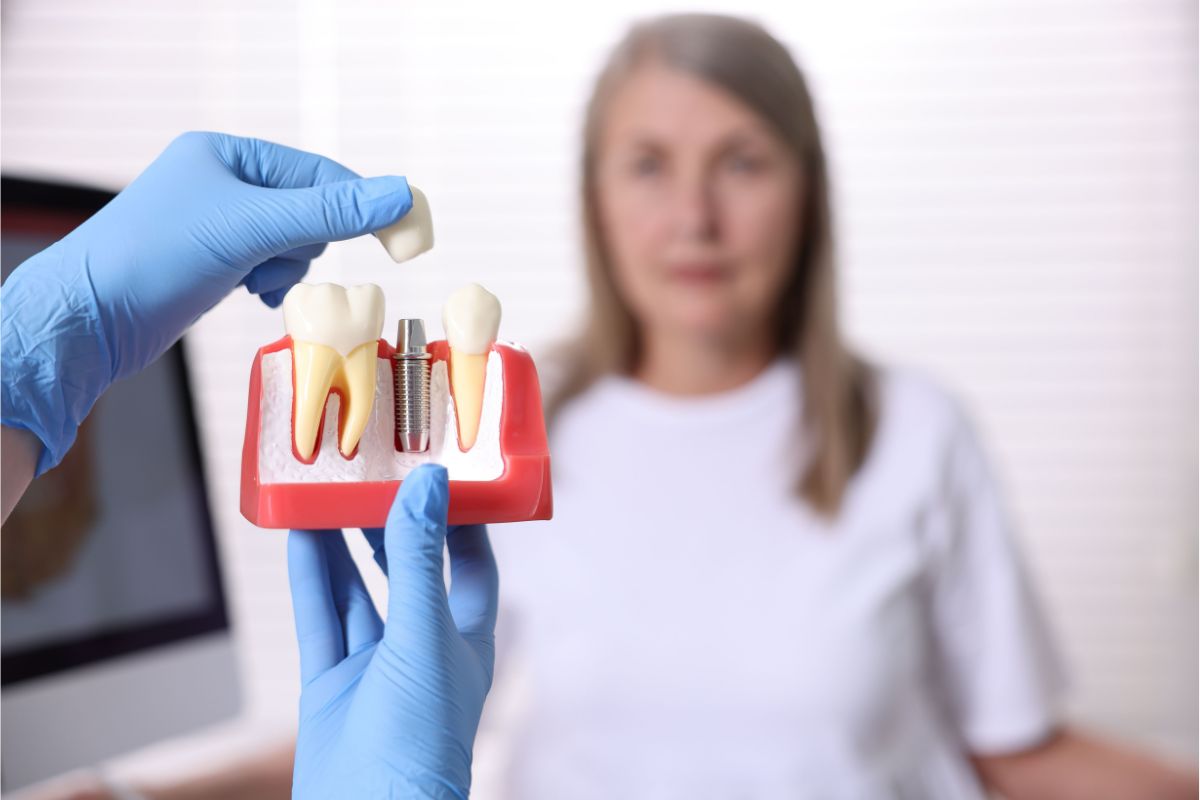
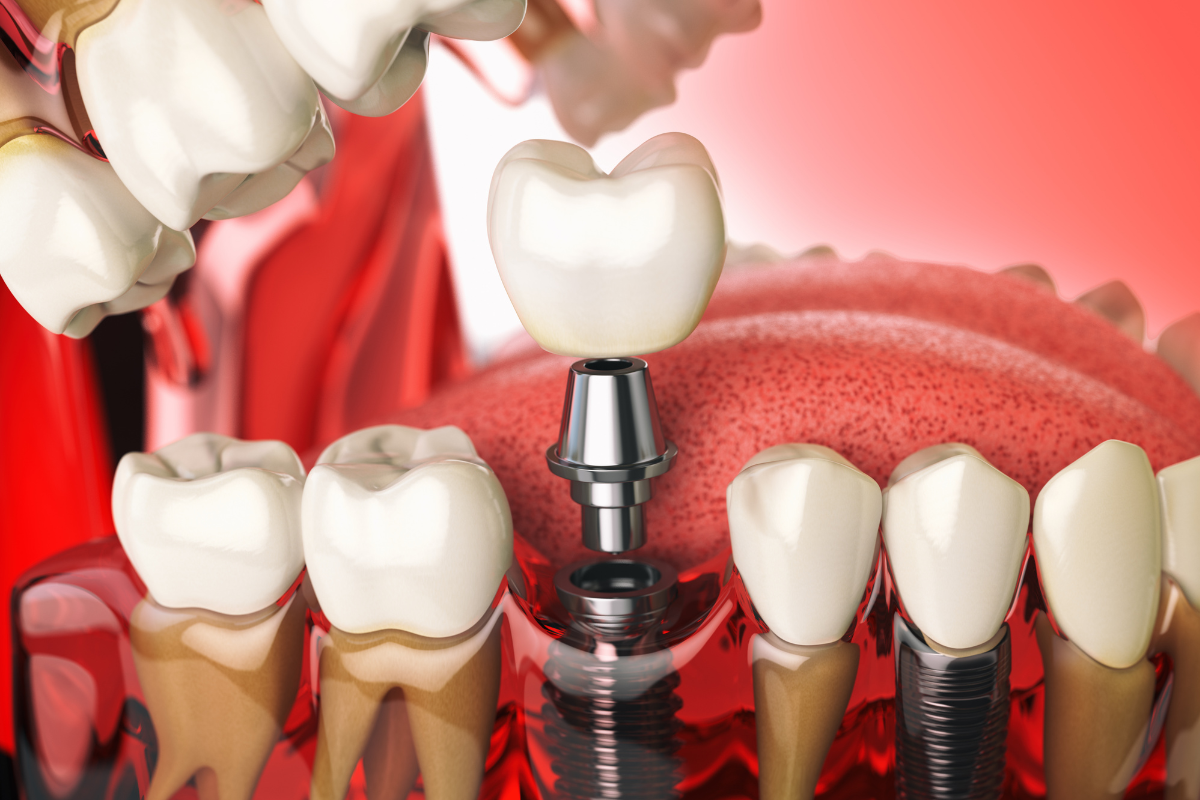
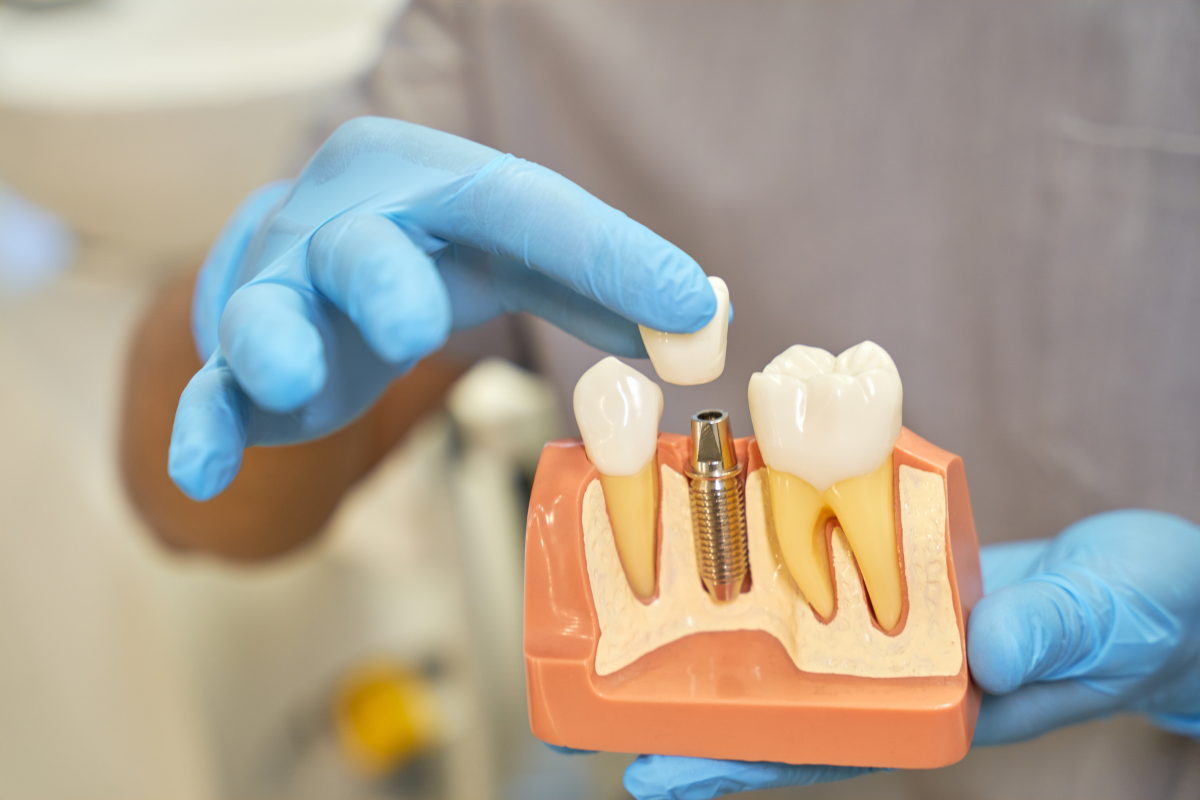
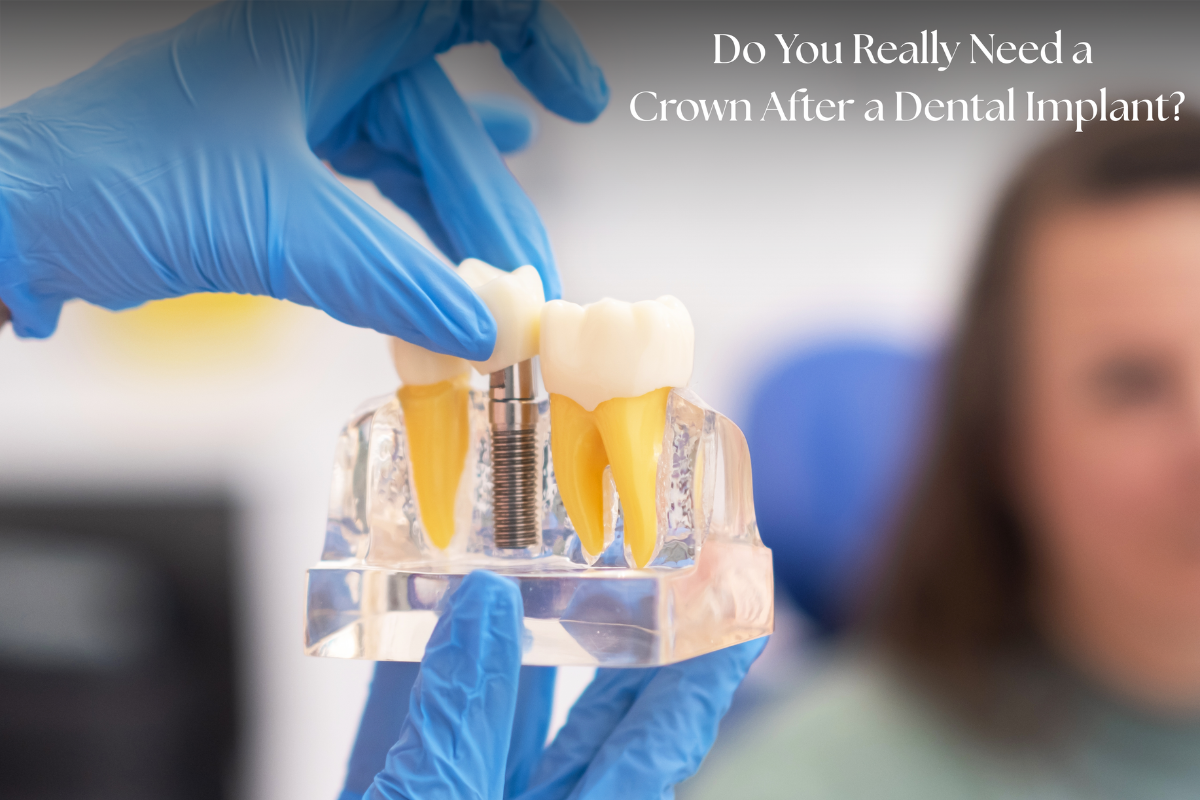
A dental implant isn’t a single piece—it’s a multi-part system designed to replace your entire tooth.
Here’s how it works:
- Implant post: A titanium root placed into your jawbone
- Abutment: A connector placed on top of the implant
- Crown: The visible tooth-like cap that completes your smile
Without the crown, your implant is like a foundation without a house. Want a step-by-step breakdown of what happens after your implant procedure? Read our detailed guide on what to expect after a dental implant and how the final stage restores your smile.
Do Dental Implants Need Crowns?
Yes—Dental Implants Need Crowns to Function Properly
The dental implant crown is what allows you to:
- Chew food normally
- Speak clearly
- Restore your natural appearance
- Protect the implant structure
So when people ask, “Can dental implants work without crowns?”—technically the implant can exist, but it won’t function as a tooth without the crown.
What Is a Dental Implant Crown?
A crown on a dental implant is a custom-made cap designed to look and feel like a natural tooth.
It’s typically made from:
- Porcelain (most natural look)
- Zirconia (extra durability)
- Ceramic blends
Each crown is shaped and shaded to match your surrounding teeth—so most people won’t even notice you have an implant.
Why Dental Implants Need Crowns (More Than Just Looks)
- Restores Full Function
Without a crown, you can’t bite or chew effectively. The crown distributes pressure evenly across your jaw. - Protects the Implant
The crown acts as a protective barrier, preventing damage to the implant and surrounding tissue. - Prevents Shifting Teeth
Missing teeth can cause nearby teeth to shift. A crown fills that gap and keeps everything aligned. - Completes Your Smile
Let’s be honest—this is what most patients care about. The crown gives you a natural, confident smile again.
Wondering how long your new smile will last? Here’s a complete guide on how long implant crowns typically last and what affects their durability over time.
When Do Dental Implants Need Crowns?
Timing Matters in the Implant Crown Procedure
After your implant is placed, your jawbone needs time to heal and fuse with the implant (a process called osseointegration).
Typical timeline:
- Healing phase: 3–6 months
- Abutment placement: After healing
- Crown placement: Final step
So if you’re wondering, “How long after implant do you get the crown?”—it usually happens a few months after surgery, depending on your healing.
Can You Skip the Crown?
Is a Crown Necessary After Dental Implant Surgery?
In almost all cases—yes, it’s necessary.
Here’s why skipping it isn’t a good idea:
- You won’t regain full chewing ability
- The implant remains exposed and vulnerable
- Your smile remains incomplete
- Adjacent teeth may shift
There are rare temporary cases where a crown is delayed—but not permanently skipped.
Difference Between Implant and Crown (Simple Breakdown)
Many patients confuse these two—so let’s simplify:
| Component | Function |
| Implant | Replaces the tooth root |
| Crown | Replaces the visible tooth |
Think of it like this:
Implant = foundation
Crown = the house you actually live in
You need both for a complete solution.
Common Problems People Face Before Getting Implant Crowns
Patients in Tucson often come in with issues like:
- Chronic tooth pain
- Missing or broken teeth
- Difficulty chewing
- Gum irritation or infection
- Low confidence due to gaps
These problems don’t just affect your mouth—they impact your daily life.
Why It Matters More Than You Think
Ignoring missing teeth or delaying the crown stage can lead to:
- Bone loss in the jaw
- Bite misalignment
- Increased risk of gum disease
- Facial sagging over time
A completed dental implant restoration (including the crown) helps prevent all of this.
Professional Solution: Completing Your Implant the Right Way
At Riverside Dental, PC in Tucson, implant care doesn’t stop at placing the post.
Your care includes:
- Precision crown design for natural aesthetics
- Proper bite alignment
- Durable materials for long-term use
- Personalized treatment timeline
This ensures your implant doesn’t just exist—it works like a real tooth.
When Should You See a Dentist?
You shouldn’t wait if you notice:
- Missing teeth affecting your bite
- Pain when chewing
- Loose or damaged teeth
- Gum swelling or infection
- Difficulty speaking clearly
The sooner you act, the easier your treatment becomes.
Take the Next Step Toward a Complete Smile
If you’re still wondering whether dental implants need crowns, the real question is:
Do you want your implant to actually function like a real tooth?
Call Riverside Dental, PC today to speak with our team Or schedule your appointment to get a personalized implant restoration plan
Don’t leave your treatment halfway—complete your smile the right way.
FAQs
Do dental implants always need crowns?
Yes, in most cases. The crown is essential for restoring function and appearance.
Can dental implants work without crowns?
Not effectively. Without a crown, the implant cannot function as a tooth.
What is a dental implant crown made of?
Usually porcelain, zirconia, or ceramic materials designed to match natural teeth.
How long after implant surgery is the crown placed?
Typically after 3–6 months, once healing and bone integration are complete.
Is the implant crown procedure painful?
Most patients experience minimal discomfort, and local anesthesia ensures comfort during placement.
What happens if I delay getting the crown?
Delays can affect bite alignment, aesthetics, and increase risk of complications.
How long does an implant crown last?
With proper care, implant crowns can last 10–15 years or longer.
What’s the difference between a dental implant and a crown?
The implant replaces the root, while the crown replaces the visible tooth.
Final Thoughts
Dental implants are one of the most reliable ways to restore your smile—but they’re only complete when paired with a properly designed crown.
If you’re investing in your oral health, don’t stop halfway. A full restoration doesn’t just fix a tooth—it restores your confidence, comfort, and quality of life.