Same-day Emergency Appointments Available!

By Riverside Dental | February 17, 2026
When a tooth is damaged or missing, crowns are often the solution. But not all crowns serve the same purpose. Many patients are surprised to learn that there are two types: implant crowns and traditional crowns, each made for specific dental situations. Understanding the real difference between an implant crown and a traditional crown can help you make an informed decision, protect your oral health, and avoid unnecessary treatment delays.
Let’s break it down in simple terms.
What Is A Dental Crown?
A dental crown is a custom-made cap placed over a tooth or implant to restore strength, function, and appearance. They are commonly used when a tooth is:
- Cracked or broken
- Severely decayed
- Weak after root canal treatment
- Misshapen or worn down
These are crafted from durable materials such as porcelain, ceramic, zirconia, or metal, and are designed to blend naturally with your smile. Many patients first learn about dental crown treatment options when a tooth becomes too damaged for a filling.
What Is A Dental Implant Crown?
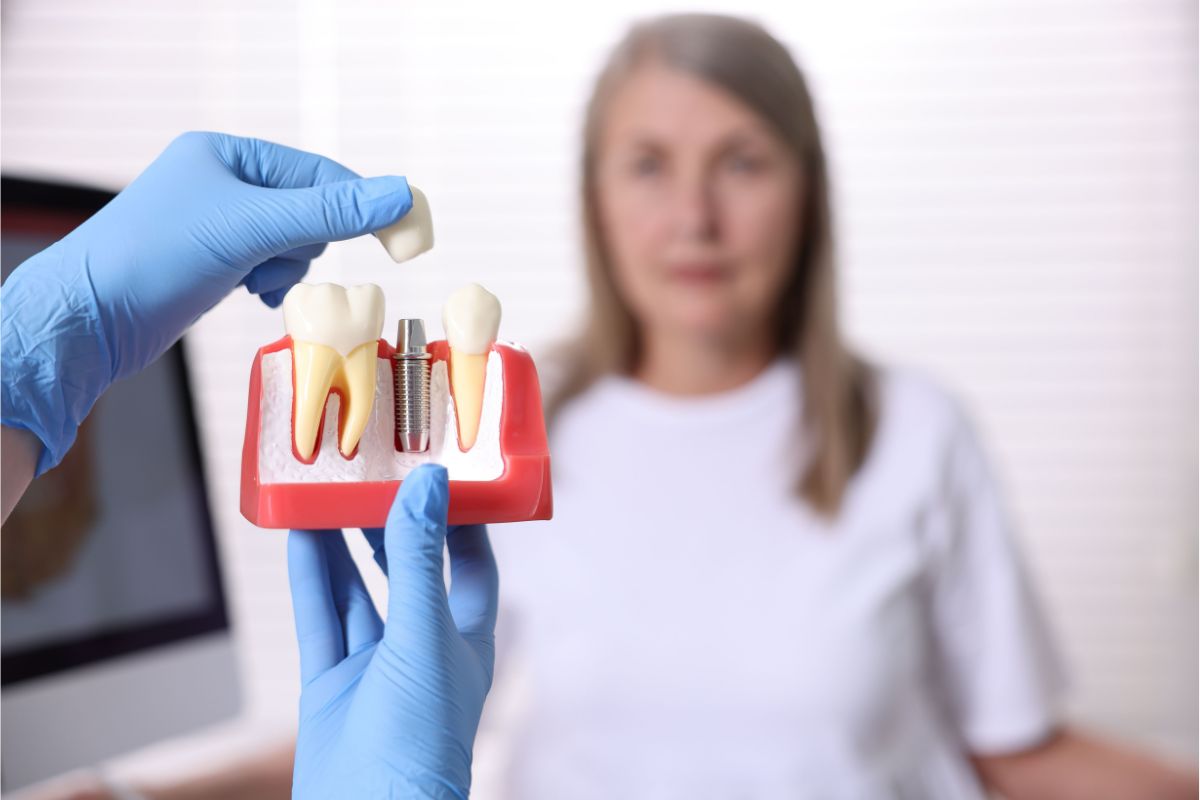
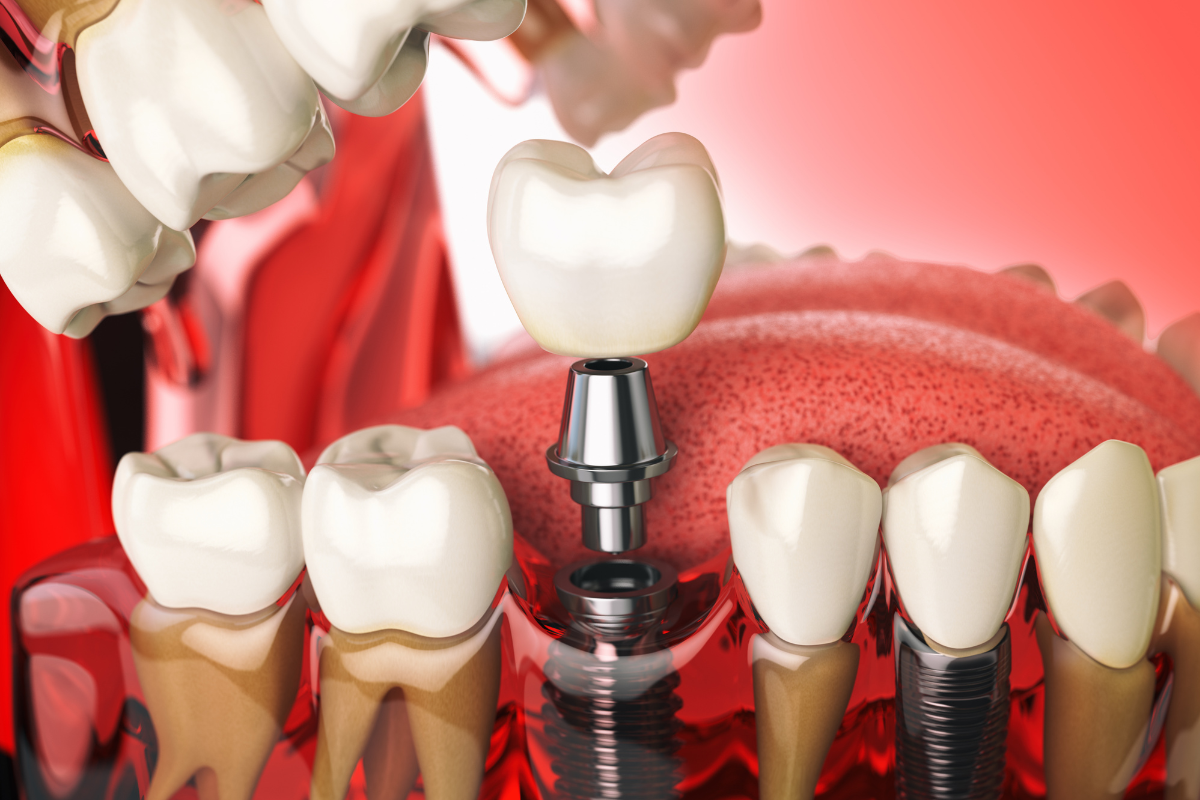
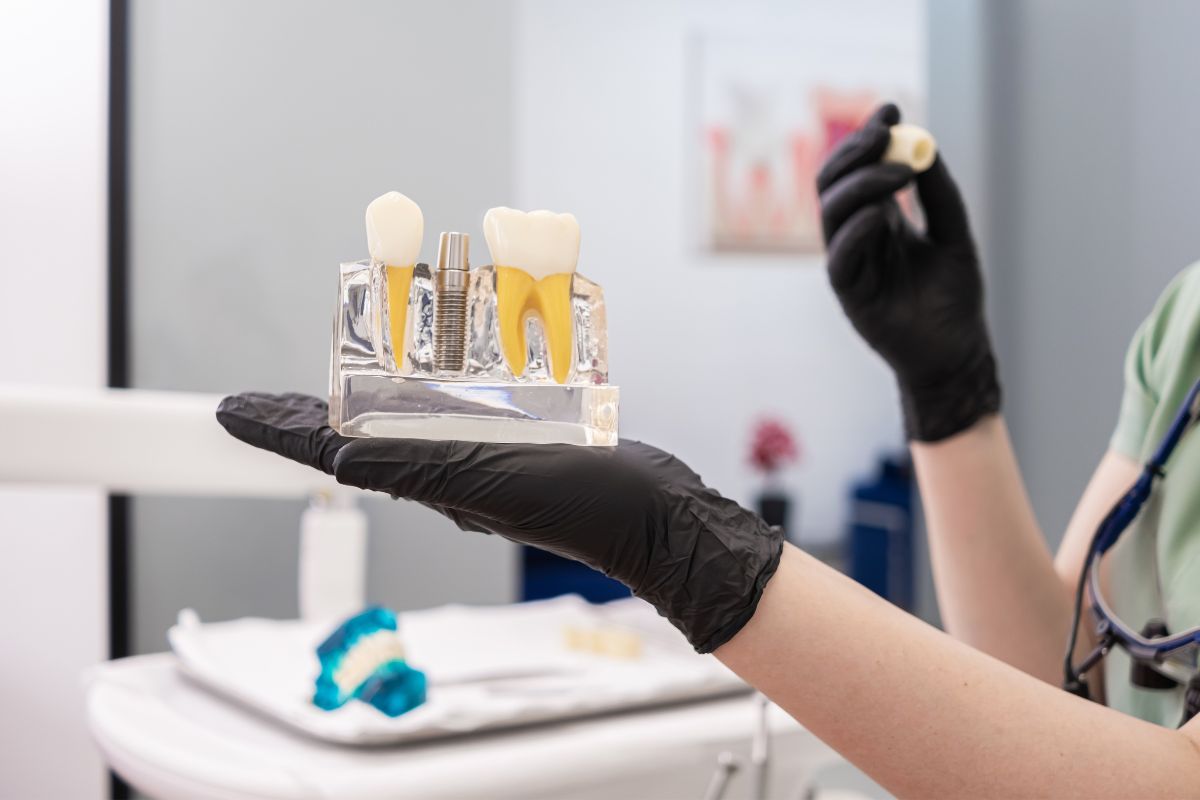
A dental implant crown replaces a missing tooth entirely. Instead of being placed over a natural tooth, it is secured to a dental implant, a titanium post surgically placed into the jawbone to serve as an artificial tooth root.
The implant provides strong, stable support, allowing the restoration to look, feel, and function like a natural tooth. Patients considering long-term solutions for missing teeth often explore this solution as a durable and natural-feeling option.
Implant Crown vs Traditional Crown: The Core Difference
| Feature | Traditional Crown | Implant Crown |
| Placement | On natural tooth | On dental implant |
| Purpose | Restore damaged tooth | Replace missing tooth |
| Tooth structure needed | Yes | No |
| Bone preservation | No | Yes |
| Longevity | 10–15 years (average) | 15–25+ years (with care) |
When Is A Traditional Crown Recommended?
A traditional option is ideal when:
- The tooth is damaged but still structurally viable.
- There is enough natural tooth left to support the capped teeth.
- Root canal treatment has weakened the tooth.
The cap allows patients to save their natural teeth whenever possible, which is always the preferred goal in dentistry.
When Is An Implant Crown The Better Choice?
A dental implant crown is recommended to Tucson patients when:
- A tooth is missing
- The tooth cannot be saved
- A tooth has already been extracted
- Long-term durability is desired
The restoration prevents bone loss, preserves facial structure, and provides excellent stability for chewing and speaking.
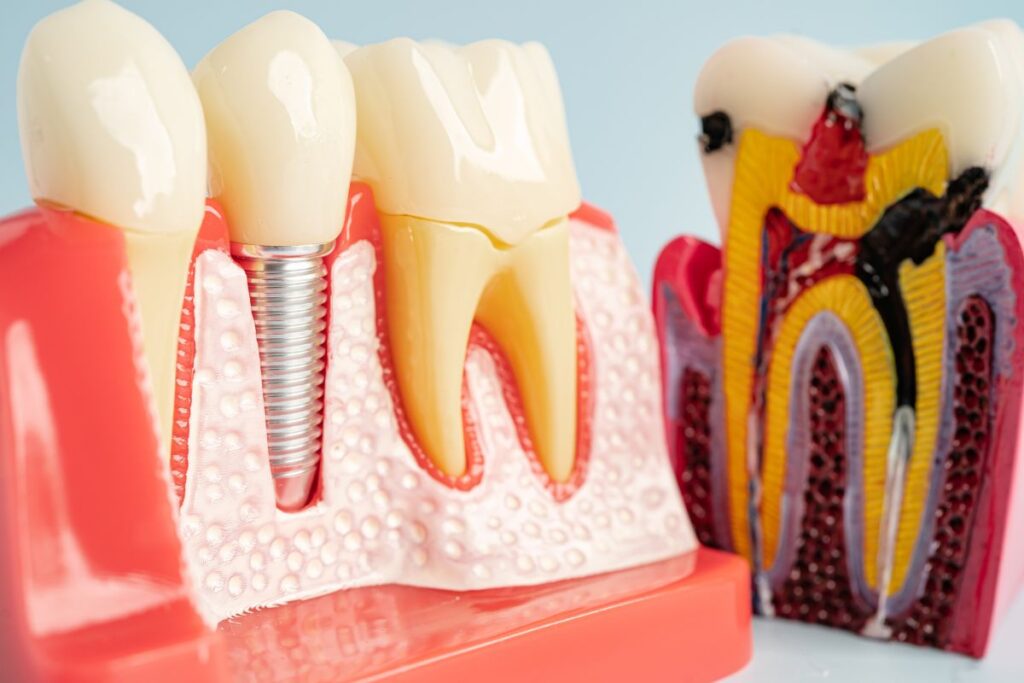
Key Differences You Should Know
1. Support System
A traditional dental cap relies on your natural tooth for support. It is supported by a titanium implant anchored directly into the jawbone.
2. Bone Preservation
They do not prevent jawbone loss. Instead, it stimulates the bone, preventing shrinkage and preserving facial contours.
3. Longevity
Implant crowns generally last significantly longer than traditional ones when properly cared for.
4. Oral Health Impact
Traditional crowns protect weakened teeth. On the other hand, implant capped teeth protect surrounding teeth by preventing shifting and misalignment of the bite.
5. Procedure Timeline
The treatment usaully require two visits. Conversely, implant caps involve multiple phases, including healing time after implant placement.
Which Option Looks More Natural?
Both capped tooth types can be crafted to look extremely natural. Modern materials allow for precise color matching, shape customization, and lifelike translucency. Whether restoring a damaged tooth or replacing a missing one, modern dental crowns provide excellent results.
What Does The Procedure Involve?
Traditional Crown Process:
- Tooth preparation
- Impressions or digital scans
- Temporary cap placement
- Final capped teeth cementation
Implant Crown Process
- Implant placement
- Healing period (osseointegration)
- Abutment attachment
- Final capped teeth placement
Which Option Is More Cost-Effective?
While traditional ones usually cost less upfront, implant crowns often provide better long-term value due to:
- Longer lifespan
- Lower maintenance
- No need to replace adjacent teeth
A local dentist in Tucson can help determine which option best fits your needs, goals, and budget.
Why Timely Treatment Matters?
Delaying the dental cap treatment, irrespective of the type, can lead to:
- Tooth fractures
- Infection
- Bone loss
- Shifting teeth
- Bite problems
Early evaluation ensures the best outcome and reduces the need for complex procedures. If you’re unsure which option is right for you, call us today to talk to our expert team or book an appointment online to gain clarity and peace of mind.
How To Choose The Right Crown Option?
Choosing you restorative cap’s solution majorly depends on:
- Tooth condition
- Bone health
- Overall oral health
- Long-term goals
- Budget considerations
A thorough dental examination, X-rays, and a personalized consultation will help determine the most suitable treatment plan.
Frequently Asked Questions (FAQs)
Q. Is a dental implant crown better than a traditional crown?
Not always. Implant crowns are best for replacing missing teeth, while traditional ones are ideal for saving damaged natural teeth.
Q. How long does an implant crown last?
With good oral hygiene, implant crowns can last 15–25 years or longer.
Q. Are dental crowns painful?
Modern techniques ensure that both procedures are comfortable, with minimal discomfort during and after treatment.
Q. Can implant crowns feel like natural teeth?
Yes. Implant crowns are designed to mimic natural tooth function and appearance.
Q. How do I know which crown is right for me?
A dental evaluation is the best way to determine whether a traditional crown or an implant crown is the ideal solution.
Get Your Restorative Solution Today!
Understanding the difference implant crown vs traditional crown allows you to make confident, informed decisions about your dental health. Both options offer excellent solutions, but the right choice simply depends on your unique situation. If you’re dealing with a damaged or missing tooth, call us today or book an appointment online to explore your treatment options and restore your smile with comfort and confidence.