Same-day Emergency Appointments Available!

By Riverside Dental | August 20, 2026
You rinse with mouthwash. You floss most nights. You even swapped soda for lemon water because it felt like the healthier choice. So why does your smile suddenly look a little shorter, a little more transparent at the edges than it used to?
If that sounds familiar, you are not imagining things—and you are not alone. Across Tucson, dental professionals are seeing more patients who take good care of their teeth but are still developing worn, thinning enamel that crept in without a single cavity or toothache to warn them. What often surprises patients is that these subtle changes are usually linked to everyday habits rather than neglected oral hygiene, making early evaluation by a dentist important before the wear becomes more noticeable.
The Habit Hiding in Plain Sight
Enamel is the hardest substance in the human body, but it is not invincible. It softens slightly every time it meets acid, and it needs time to rebuild itself with the help of saliva and minerals. The problem is not one dramatic event. It is dozens of small ones, repeated daily, that never give your enamel a chance to recover.
What’s Really Causing Worn Teeth
Worn teeth causes usually trace back to a routine that feels harmless: sipping citrus water throughout the morning, chewing ice while working, or grinding your teeth at night without ever waking up. Each habit on its own seems small. Combined, and repeated for months or years, they slowly reshape the biting edges of your teeth.
- Acid erosion is more likely if: your morning routine involves lemon, lime, or citrus-infused water sipped slowly over an hour or more
- Teeth grinding signs to watch for: you notice a clicking or popping jaw, or wake up with a sore jaw or dull headache
- Enamel thinning often shows up as your teeth feel more sensitive to cold drinks or sweets than they used to
| Did You Know? Saliva takes about 30 to 60 minutes to neutralize acid after you eat or drink something acidic. Sipping an acidic drink slowly over that same window keeps your enamel in a constant, softened state — which is why grazing on citrus water or soda is often harder on teeth than drinking it quickly at one sitting. |
Why This Matters More Than It Seems
Worn enamel does not grow back. Once it thins, your teeth are permanently more vulnerable to decay, sensitivity, and chipping. Many patients do not notice the change until their teeth start to look slightly shorter, more yellow at the edges, or uneven when they smile — because the dentin underneath enamel is naturally darker.
The Risks of Waiting It Out
Left unaddressed, enamel erosion and grinding-related wear tend to build on each other. Thinner enamel means more sensitivity, which can make brushing feel uncomfortable, which can lead to softer brushing and more plaque buildup. Over time, this cycle raises the risk of cavities, cracked teeth, and a bite that feels increasingly off.
Not every dental problem starts with pain. Small changes like increased sensitivity, rough tooth edges, or slight color changes can be early warning signs that something is affecting your smile. Learn more in Your Teeth May Be Trying to Warn You: 7 Changes You Should Never Ignore.
Worn Teeth Causes at a Glance
| Daily Habit | What It Does to Enamel | Risk Level |
|---|---|---|
| Sipping lemon or citrus water all morning | Bathes teeth in acid, softening enamel before it can reharden | High |
| Chewing ice or hard candy | Creates micro-cracks and chips along biting edges | High |
| Nighttime teeth grinding (bruxism) | Wears down enamel through repeated pressure and friction | High |
| Sipping soda or sports drinks slowly over hours | Keeps acid levels elevated for extended periods | Moderate |
| Brushing immediately after acidic food or drink | Scrubs away enamel that is already softened | Moderate |
| Using teeth as tools (opening packages, etc.) | Places sudden, uneven stress on tooth structure | Moderate |
The Professional Solution: Catching It Early
The good news is that worn enamel is easiest to manage the earlier it is caught. A dental exam can measure how much wear has already happened, identify whether acid erosion or grinding is the bigger factor, and map out a plan before the damage affects your bite or your confidence in your smile.
Meet Dr. Grant Hooper

Dr. Grant Hooper grew up in Tucson and first came to Riverside Dental as a patient himself, long before he became a dentist. After earning his DDS from The Ohio State University College of Dentistry and completing advanced residency training, he returned home to care for the community he grew up in. Dr. Hooper focuses on prevention and patient-centered care, taking time to explain what he sees and why – so patients understand their own smile, not just their treatment plan. Schedule an appointment to talk to our dentist!
⭐⭐⭐⭐⭐ Debra Copeland
Riverside Dental takes great care of our family of 5, receptionists, hygienists and Dr Hooper, a great team!
What a Tucson Dentist Actually Looks For
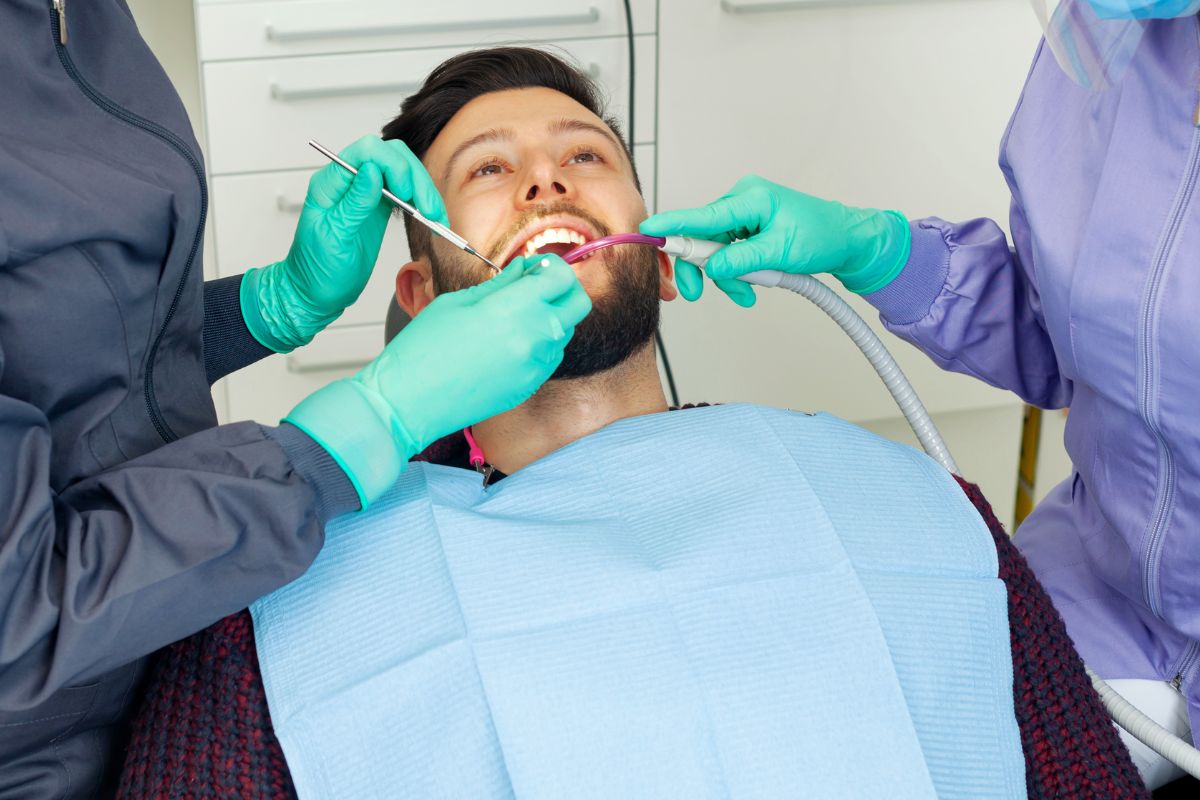
During a routine visit, your dentist checks the biting edges of your front teeth, the flatness of your back molars, and any signs of sensitivity or jaw tension. Depending on what they find, treatment may range from a simple fluoride treatment and habit adjustment to a custom nightguard or restorative dentistry to rebuild worn surfaces.
Many dental issues are visible long before they become painful. Discover how routine exams help dentists spot hidden problems early in The Hidden Damage Your Dentist Sees – Before You Ever Feel It.
Why This Is Especially Common in Tucson
Tucson’s dry desert climate plays a bigger role in enamel health than most people realize. Lower humidity and constant hydration reminders often lead residents to sip flavored or citrus-infused water throughout the day instead of drinking it all at once. Add in the region’s active, outdoor lifestyle – hiking, cycling, and long days in the sun and dehydration-related dry mouth becomes more common, which means less saliva available to protect enamel between sips.
| Protect Your Smile Before the Damage Adds Up Worn enamel only moves in one direction but catching it early can stop the wear in its tracks. Book your appointment with Riverside Dental, PC in Tucson today and find out what’s really behind your worn teeth. Call Riverside Dental to schedule an appointment! |
Simple Habits That Protect Your Enamel Starting Today
- Rethink how you hydrate: instead of sipping citrus water all morning, drink it in one sitting and follow with plain water
- Skip the hard stuff: chewing ice, hard candy, or using your teeth to open packages puts unnecessary stress on enamel
- Time your brushing: wait about 30 minutes after acidic food or drinks before brushing to let enamel reharden
- Watch for grinding signs: a jaw that’s sore in the morning or teeth that feel more sensitive are both worth mentioning at your next visit
- Don’t skip cleanings: routine dental exams catch enamel wear long before it becomes a bigger, more costly problem
Frequently Asked Questions
1. What are the most common worn teeth causes?
The most common causes include acid erosion from acidic foods and drinks, nighttime teeth grinding (bruxism), chewing on hard objects like ice, and brushing too soon after consuming something acidic. These habits gradually wear away enamel over time.
2. What are the earliest signs of enamel erosion?
Early signs often include increased sensitivity to cold or sweet foods, a yellow or translucent appearance along the edges of your front teeth, and smoother or shinier chewing surfaces as enamel becomes thinner.
3. Can worn enamel grow back on its own?
No. Once enamel is lost, it does not regenerate naturally. The goal of treatment is to protect the remaining enamel, reduce further wear, and restore damaged teeth when necessary.
4. What are common teeth grinding signs I might be missing?
Many people grind their teeth while sleeping without realizing it. Common signs include waking up with jaw soreness, frequent morning headaches, flattened or chipped teeth, increased tooth sensitivity, or a partner hearing grinding noises during the night.
5. Is acid erosion only caused by soda?
No. Acid erosion can also result from citrus fruits, lemon water, sports drinks, wine, vinegar-based foods, and some smoothies. How often and how long your teeth are exposed to acid is usually more important than the specific source.
6. How can I tell if my worn teeth are from grinding or acid?
A dental examination is the most reliable way to determine the cause. Teeth grinding typically creates evenly flattened or shortened teeth, while acid erosion often leaves teeth looking smoother, thinner, or slightly cupped in certain areas.
7. Does drinking water help protect my teeth from erosion?
Yes. Plain water helps rinse away acids, supports healthy saliva production, and allows saliva to neutralize acids and remineralize enamel between meals and drinks.
8. When should I see a dentist about worn teeth?
If you notice new tooth sensitivity, visible shortening or thinning of your teeth, jaw soreness, chipped edges, or changes in how your bite feels, schedule a dental exam promptly. Early diagnosis can help prevent more extensive enamel loss and restorative treatment.