Same-day Emergency Appointments Available!

By Riverside Dental | September 3, 2026
You searched “implant crown” late one night, scrolled through a dozen conflicting opinions, and ended up more confused than when you started. Maybe a friend swore implants never look real. Maybe a forum post claimed the crown needs replacing every couple of years. Or maybe you’re just staring at a gap in your smile, wondering if fixing it is even worth the hassle.
Here’s the truth: most of what circulates online about implant crowns is outdated, exaggerated, or simply wrong. For patients around Tucson trying to make a real decision about a missing tooth, that misinformation can be the very thing standing between them and a smile they’re proud of.
Let’s clear it up, myth by myth.
What Exactly Is an Implant Crown?
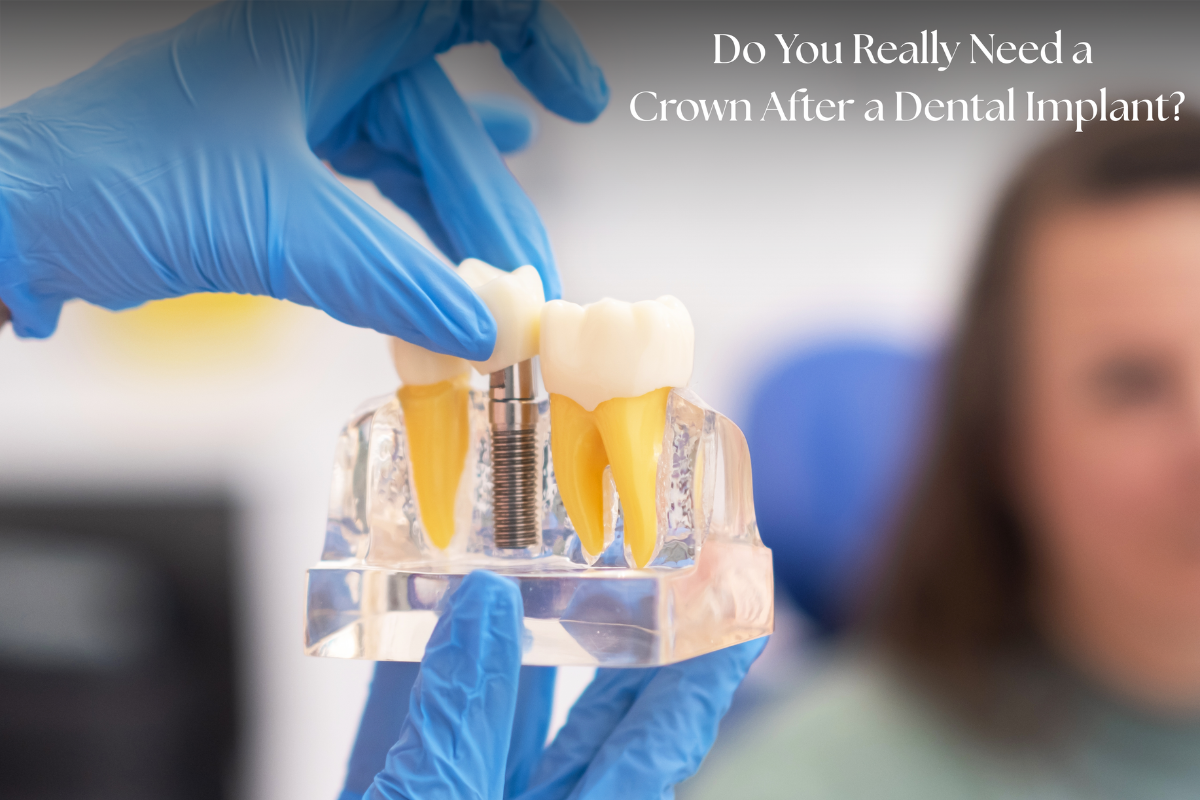
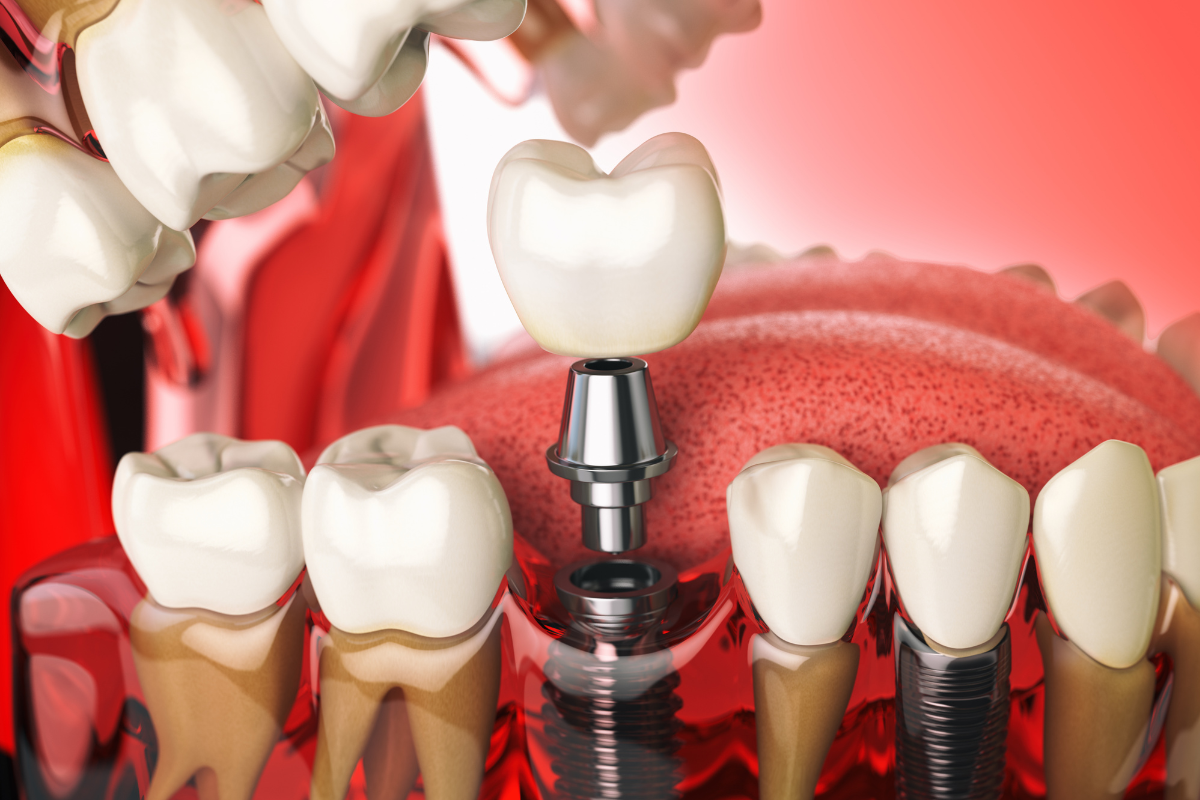
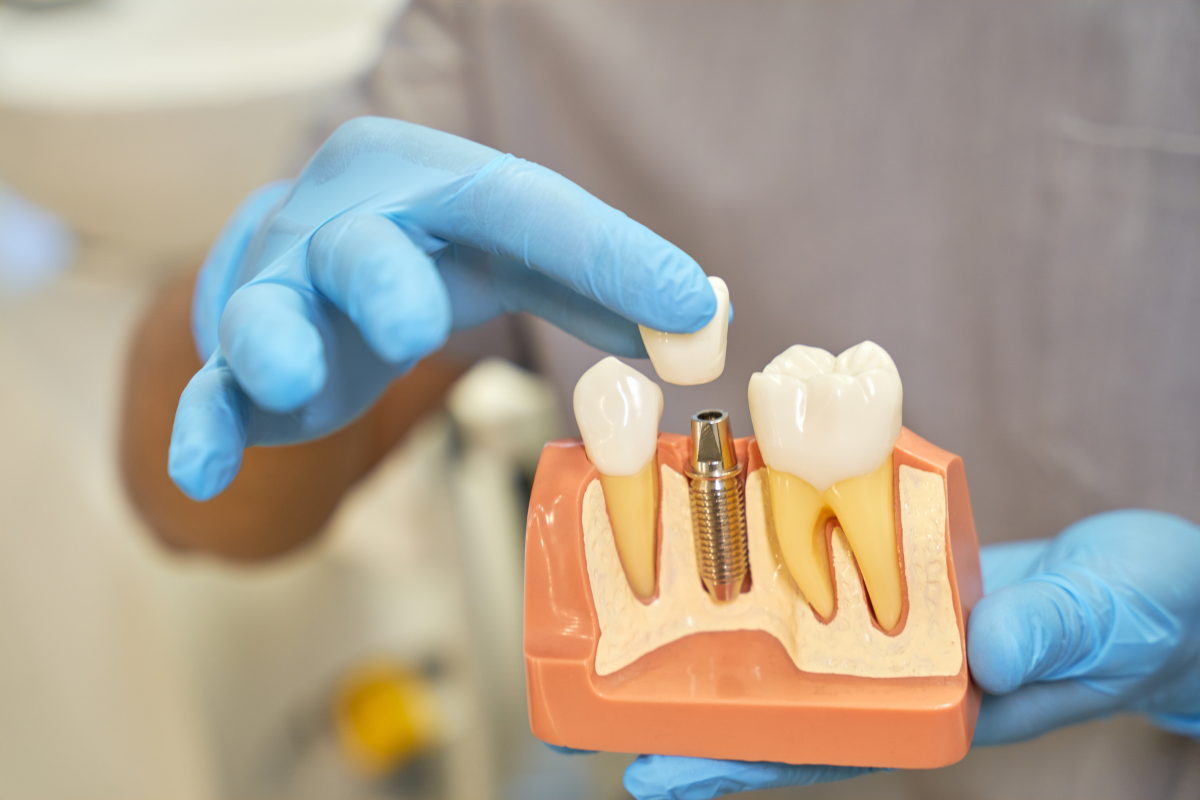
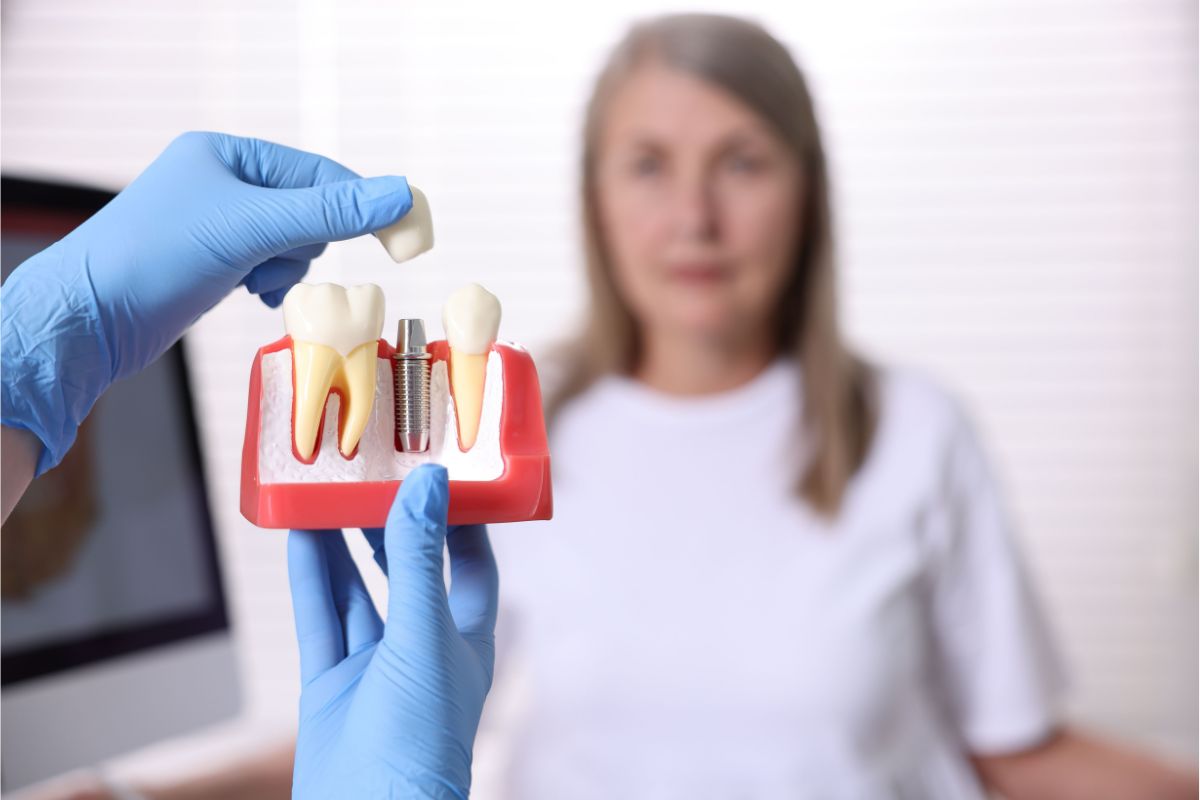
A dental crown on implant is a custom-made cap, usually crafted from porcelain or zirconia, that attaches to a small titanium post placed in the jawbone. Unlike a traditional crown that sits on a natural tooth, an implant-supported crown replaces the entire tooth, root included, giving patients the closest possible match to how a real tooth looks, feels, and functions.
Still wondering whether a crown is actually necessary after getting a dental implant? Learn more about why an implant typically needs a crown to restore the visible portion of the tooth in our guide, Do You Really Need a Crown After a Dental Implant? What Most Patients Don’t Know.
Why the Confusion Exists
Search results often blend crowns, bridges, and implant crowns together as if they solve the same problem. They don’t. A tooth implant crown addresses a missing tooth from the root up, while a traditional crown simply protects a tooth that’s still there. That difference is exactly where most of the myths take root.
Why It Matters: What Happens When Tooth Loss Goes Unaddressed
Putting off a decision doesn’t freeze the problem in place. The jawbone under a missing tooth begins to change almost immediately, and nearby teeth often respond by drifting out of position. Believing a myth long enough to delay care can turn a straightforward fix into a more involved one.
- Jawbone density can decrease at the site of the missing tooth
- Neighboring teeth may shift, affecting bite alignment
- Shifted teeth are harder to clean and more prone to decay and gum disease
- Facial structure can gradually change as supporting bone is lost
| Did You Know? Losing a tooth and waiting to replace it can lead to noticeable jawbone loss at that site within the first year. An implant-supported crown is one of the few restorative dentistry options that also helps preserve the bone underneath it, not just the smile appearance above the gumline. |
5 Common Myths About Implant Crowns
Myth 1: “An implant crown looks fake.”
Reality: Today’s implant crowns are milled from tooth-colored porcelain or zirconia and shaded to match the surrounding teeth. Most patients and even close friends can’t pick the implant crown out of a smile.
Myth 2: “The crown will need to be replaced constantly.”
Reality: With routine oral hygiene and regular checkups, an implant crown can comfortably last 15 years or longer. The implant post itself is designed to last for decades.
Myth 3: “Getting an implant crown is extremely painful.”
Reality: The implant placement itself is done under local anesthesia, and most patients describe the recovery as similar to a tooth extraction, manageable with over-the-counter pain relief. Attaching the finished crown itself is typically a quick, comfortable visit.
Myth 4: “Implant crowns aren’t worth the cost.”
Reality: Because an implant-supported crown doesn’t rely on neighboring teeth the way a bridge does, it tends to hold up longer and doesn’t put extra wear on healthy teeth nearby. Over time, that can mean fewer repairs and replacements.
Myth 5: “You need years of perfect oral health before it’s even an option.”
Reality: Many patients with a history of gum disease, tooth decay, or previous extractions still qualify for an implant crown once any active issues are treated. A short evaluation is usually enough to find out.
Not every damaged tooth needs an implant crown, either. If you’re wondering whether a traditional dental crown may be appropriate for a tooth that’s still present, see our guide to the warning signs that you may need a dental crown.
Implant Crown vs. Traditional Crown: How They Really Compare
A quick side-by-side makes the difference between an implant-supported crown and a traditional tooth crown much easier to picture:
| Feature | Implant-Supported Crown | Traditional Tooth Crown |
|---|---|---|
| Foundation | Titanium implant post placed in the jawbone | The patient’s own natural tooth structure |
| Best For | A fully missing tooth, root included | A damaged, cracked, or weakened tooth that’s still present |
| Impact on Jawbone | Helps preserve bone density at the site | Has no effect on the bone beneath it |
| Effect on Neighboring Teeth | Neighboring teeth are left untouched | May require adjacent teeth to be altered for a bridge |
| Average Lifespan | 15+ years with routine care | 5–15 years, depending on wear and the tooth underneath |
The Professional Solution: What Getting an Implant Crown Actually Involves
Step 1: Evaluation and Planning
A dentist examines the site, checks bone health, and confirms that an implant-supported crown is the right fit. Digital imaging helps plan exact placement before anything is touched.
Step 2: Implant Placement and Healing
The titanium post is placed in the jawbone, where it’s given time to bond with the bone. This healing period is what allows the eventual crown to feel as stable as a natural tooth root.
Step 3: The Crown Itself
Once healing is complete, a custom crown is designed, shaded, and attached to the implant, restoring full appearance and bite function.
Among the implant crown benefits patients notice most:
- Stability that lets you bite and chew without hesitation
- Jawbone preservation at the site of the missing tooth
- A natural smile appearance that blends with surrounding teeth
- No impact on the health of neighboring teeth
- Long-term restorative dentistry value backed by strong bite alignment
Trusted Implant Crown Care in Tucson
Riverside Dental has provided restorative dentistry to families throughout Tucson, including patients from River Road, the Catalina Foothills, and the surrounding communities. When it comes to a decision as personal as replacing a tooth, working with a local dental office that knows the community, and that a patient can walk into for a real conversation, tends to make the process far less intimidating.
⭐⭐⭐⭐⭐ Erika Russell
Ive always been scared of the dentist but the whole team from noelle at the front desk, to Gabrielle the dental assistant, Jennifer the hygienist, and Dr. Hooper have been great all of them have really soft and kind approaches for any of your dental needs. I had 3 fillings done yesterday and almost no pain like Ive felt in the past. Jennifer super transparent and even found I was born with a missing tooth when no other hygienist or doctor has ever informed me. All in all great team and cannot stop recommending them when someone talks about needing dental work.
Meet Dr. Grant Hooper

Dr. Grant Hooper grew up in Tucson and first discovered dentistry as a patient at this very practice. After earning his dental degree from Ohio State University and completing advanced training in general dentistry at NYU, he returned home with his family to care for the community he grew up in. Patients considering an implant crown work directly with Dr. Hooper’s team through every step, from the first evaluation to the final crown placement. Schedule a consultation with Dr. Hooper to see if an implant-supported crown is the right fit for your smile.
| Ready to Stop Guessing and Get Real Answers? A short consultation at Riverside Dental can tell you exactly where you stand, no pressure, no guesswork, just a clear picture of your options for replacing a missing tooth. Call us to book an appointment! |
Frequently Asked Questions About Implant Crowns
1. What is the difference between an implant crown and a regular dental crown?
A regular dental crown covers and protects a natural tooth that’s still in place. An implant crown, also called a dental crown on implant, attaches to a titanium post and replaces a tooth that’s completely missing, root included.
2. How long does a crown on a dental implant typically last?
With consistent oral hygiene and regular dental visits, an implant crown commonly lasts 15 years or longer, and the implant post underneath is built to last for decades.
3. Is getting a crown placed on an implant painful?
The implant placement is done under local anesthesia, and most patients compare the recovery to a routine tooth extraction. Attaching the finished crown afterward is generally quick and comfortable.
4. Will an implant crown look natural next to my other teeth?
Yes. Implant crowns are shaded and shaped to match the surrounding teeth, so the smile appearance stays consistent and the restoration typically isn’t noticeable to others.
5. How does an implant-supported crown compare in cost to a bridge?
A bridge often costs less upfront but requires altering the healthy teeth on either side of the gap. An implant-supported crown leaves neighboring teeth untouched and tends to offer stronger long-term value.
6. Does an implant crown require special daily care?
No special products are required. Regular brushing, flossing, and routine dental cleanings are enough to keep an implant crown and the surrounding gum tissue healthy.
7. How soon after implant placement can the permanent crown be attached?
Healing time varies by patient and by jawbone density, but it’s typically a few months before the implant has fully bonded with the bone and is ready for the crown.
8. Can an implant crown come loose over time?
It’s uncommon when the implant has properly bonded with the jawbone. If a crown ever feels loose, it should be checked promptly rather than left untreated, since it can usually be corrected easily and early.
| Your Smile Doesn’t Have to Wait on Misinformation If a myth about implant crowns has been holding you back, a quick conversation with Riverside Dental can replace the guesswork with a plan built around your smile. Tucson patients can request an appointment online or call the office directly. Request an Appointment! |