Same-day Emergency Appointments Available!

By Riverside Dental | May 28, 2026
You’ve been ignoring that tooth for weeks now. Maybe it’s a dull ache that flares up when you bite down. Maybe you felt something shift when you were eating, and for a split second, your heart sank. Or maybe you can see a crack thin, almost invisible that definitely wasn’t there before.
Whatever brought you here, you already know something isn’t quite right.
Waiting rarely makes dental problems better. In fact, what starts as a small crack or worn-down tooth can quietly turn into a fracture, infection, or even a lost tooth situations that are far more complex and costly to treat.
So how do you know if you need a dental crown? And what exactly do dentists in Tucson look for when they make that call? This guide breaks it all down clearly, honestly, and without the dental jargon.
What Is a Dental Crown, Exactly?
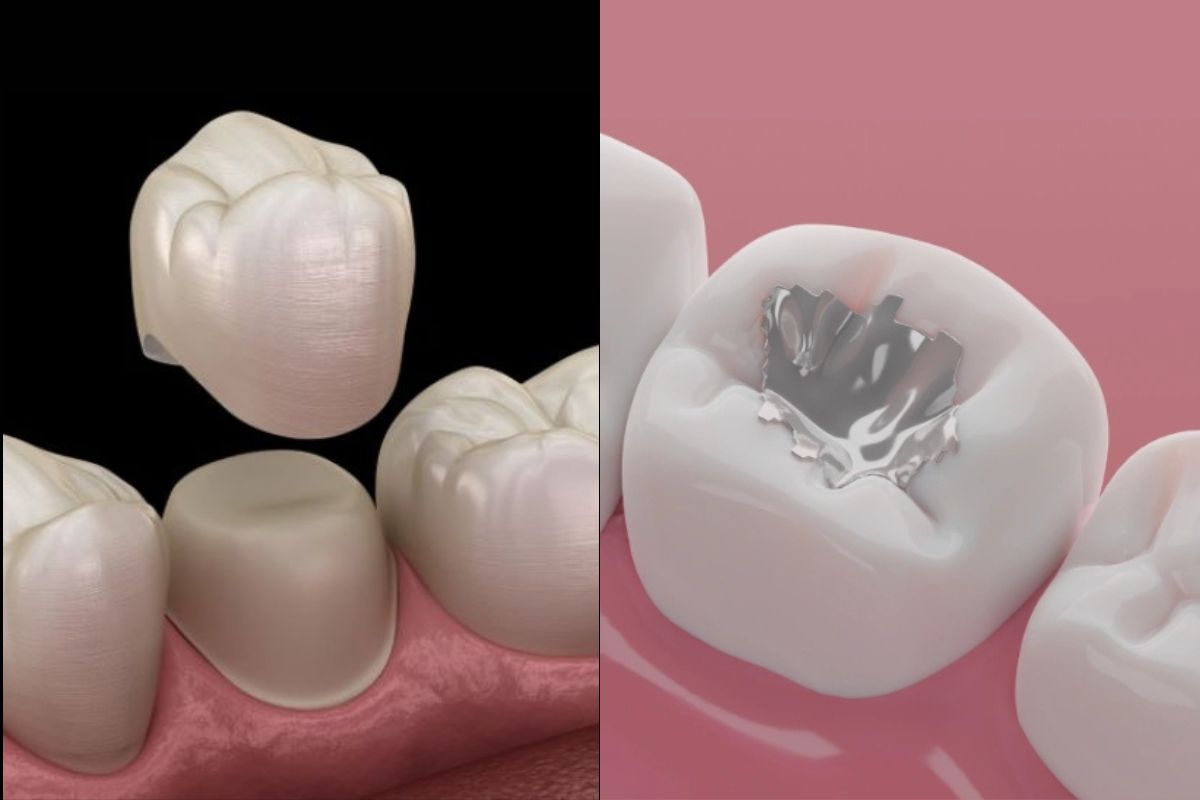
A dental crown is a tooth-shaped cap that fits over a damaged or weakened tooth. It restores the tooth’s shape, size, strength, and appearance protecting it from further damage while looking completely natural.
Crowns are made from several materials, including porcelain, ceramic, zirconia, or metal alloys. Your dentist will recommend the right material based on which tooth needs the crown, your bite alignment, and your aesthetic preferences.
In restorative dentistry, crowns are one of the most commonly placed treatments and for good reason. When a tooth is too damaged for a filling but doesn’t need to be extracted, a crown is often the most reliable solution available.
Signs You Need a Dental Crown: What Dentists Actually Look For
Dentists don’t recommend crowns casually. There are specific clinical signs both visible and measurable that indicate when a tooth has reached the point where a crown is the appropriate next step.
Here are the most common ones:
1. A Cracked or Fractured Tooth
Cracks in teeth aren’t always dramatic. Sometimes it’s a hairline fracture from grinding your teeth at night, biting down on something hard, or an old filling that’s finally given way. Even if the crack doesn’t hurt constantly, it creates an entry point for bacteria and a structural weakness that worsens over time.
If left untreated, a cracked tooth can split completely, making extraction the only option. A crown placed early can hold the tooth together and prevent that outcome entirely.
2. A Large Cavity That a Filling Can’t Fix
When tooth decay is caught early, a filling does the job well. But when a cavity is large eating away a significant portion of the tooth structure a filling simply doesn’t provide enough support. The remaining tooth wall becomes thin and fragile, putting it at risk of cracking under normal chewing pressure.
A crown covers the entire visible tooth surface, distributing chewing forces evenly and protecting what’s left of your natural tooth.
3. A Tooth That Has Already Had a Root Canal
After a root canal, the treated tooth becomes brittle over time. It no longer has the same moisture balance or internal support that a living tooth does. Without a crown, that tooth is significantly more likely to fracture often in ways that can’t be repaired.
Most dentists consider a crown after root canal treatment standard care for back teeth like molars and premolars, which take the brunt of your chewing load.
4. Severe Tooth Sensitivity or Persistent Pain
Sharp sensitivity to hot, cold, or sweet foods or a toothache that won’t quit can signal that enamel has worn down enough to expose the dentin underneath. When enamel erodes significantly, the tooth becomes vulnerable to damage and decay.
Your dentist will examine the tooth closely and may take X-rays to determine whether a crown, rather than a filling or other treatment, is the right answer.
5. A Broken or Severely Worn-Down Tooth
Teeth can wear down from years of grinding (bruxism), acid erosion, or simply age. When a tooth is broken at the gum line or worn so flat that it can no longer function properly, a crown restores both its form and function.
This is especially important for bite alignment. A tooth that’s too short can cause neighboring and opposing teeth to shift, creating a whole cascade of problems over time.
6. A Tooth with a Very Large, Failing Old Filling
Old silver amalgam fillings don’t last forever. Over the years, they can crack, leak at the edges, or cause the surrounding tooth structure to weaken. When a filling takes up more than half the width of the tooth, a crown is typically the safer long-term choice it protects the whole tooth rather than just patching the damaged portion.
7. An Existing Broken Crown or Bridge
If you already have a dental crown or bridge that is cracked, loose, or damaged, that’s a clear sign you need a dental evaluation right away. A compromised crown can allow bacteria to reach the underlying tooth, leading to decay or infection beneath it.
Filling vs. Crown: How Dentists Decide
| Factor | Dental Filling | Dental Crown |
|---|---|---|
| Amount of tooth structure lost | Less than 50% | More than 50% |
| Tooth crack present | Minor surface crack | Full or deep fracture |
| After root canal | Rarely recommended | Standard recommendation |
| Tooth worn down or broken | Not appropriate | Ideal solution |
| Old, failing large filling | May work temporarily | Preferred long-term fix |
What Happens If You Wait Too Long?
This is where the real concern lies. Teeth don’t heal the way soft tissue does. Once the damage progresses past a certain point, your options become limited and more involved.
Waiting on a tooth that needs a crown can lead to:
- A complete tooth fracture that requires extraction
- Infection reaching the tooth root (abscess), requiring emergency dental care or a root canal
- Bone loss in the jaw around the affected area
- Shifting of surrounding teeth, affecting your bite and smile appearance
- The need for a dental implant or bridge to replace the lost tooth a more extensive and costly process
None of that is meant to scare you it’s meant to be real with you. Getting a crown now is almost always easier, faster, and less disruptive than dealing with the consequences of a tooth that was ignored.
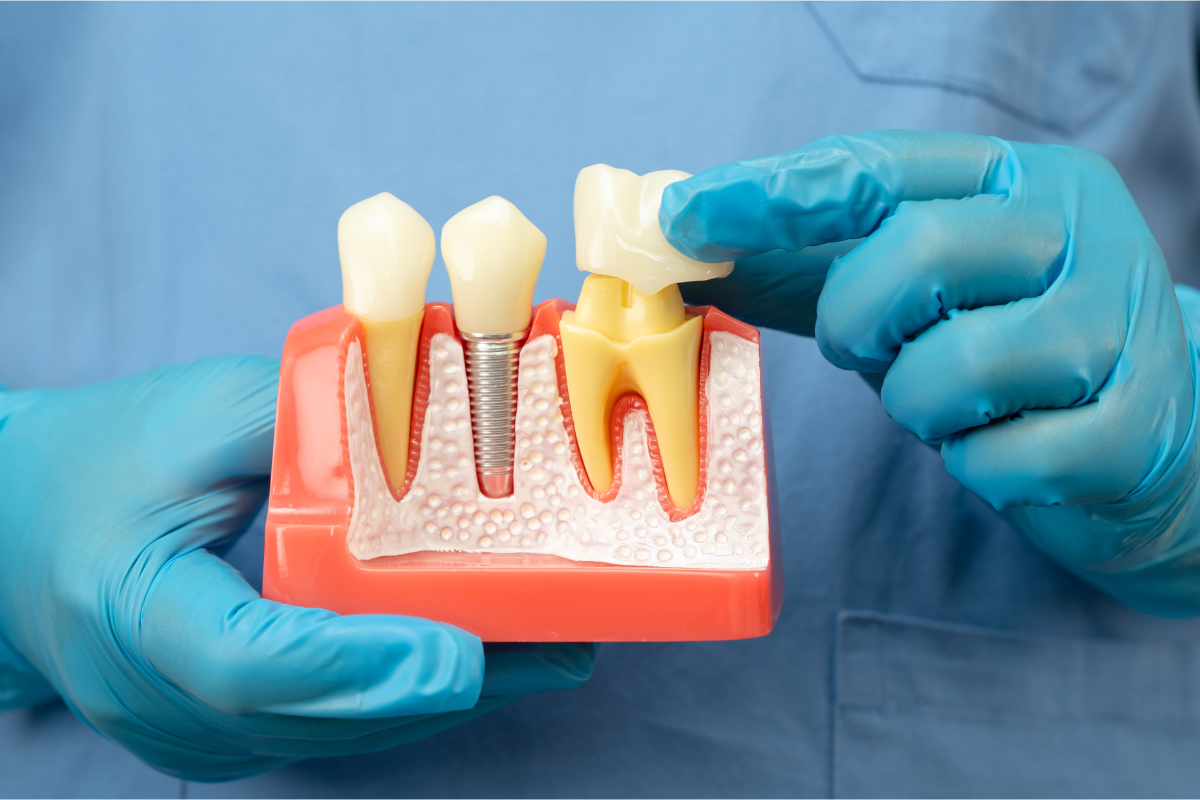
If a damaged tooth can no longer be saved, dental implants may become the next step. But many patients are surprised to learn that implants themselves often require custom crowns to fully restore function and appearance. Read: “Do You Really Need a Crown After a Dental Implant? What Most Patients Don’t Know” to understand how implant crowns work and why they matter long-term.
What Riverside Dental Patients Are Saying
Still unsure whether your tooth needs a crown, an implant, or another type of restoration? Many Tucson patients have similar questions about the differences between crowns, implants, and long-term tooth protection options. The FAQs below cover some of the most common concerns dentists hear every day.
Always a wonderful and safe experience. I have experienced previous dental trauma and sitting in a dental chair definitely is not a favorite, however the kindness and genuine level of care in this office is unparalleled.
— Diana Dencker
From nervous first-time patients to individuals needing restorative dental care, Riverside Dental, PC has earned the trust of patients throughout Tucson for compassionate treatment and honest guidance. Read more Google reviews to see why so many local patients feel comfortable choosing Riverside Dental for crowns, emergency care, and long-term smile protection.
Meet Your Riverside Dental Team

The dentists at Riverside Dental, PC bring years of restorative dentistry experience to every patient visit. Whether you come in with a cracked tooth, lingering pain, or just want to be sure your smile is protected, our team listens first and recommends only what you genuinely need. We believe in honest care no pressure, no guesswork.
Schedule a consultation with our team!
Ready to Protect Your Smile?
Don’t wait until a small crack becomes a big problem. The team at Riverside Dental, PC in Tucson is here to help you understand your options and protect your teeth before it’s too late. Call Riverside Dental, PC Today and book your appointment online.
Dental Crowns in Tucson: What to Expect at Your Appointment
At Riverside Dental, PC, the process of evaluating and placing a dental crown is straightforward and patient-focused. Here’s what a typical visit looks like:
- Comprehensive exam: Your dentist will visually examine the tooth, check your bite, and take X-rays to assess the full extent of any damage beneath the surface.
- Treatment discussion: You’ll get a clear explanation of what’s happening with the tooth, why a crown may be recommended, and what your alternatives are.
- Tooth preparation: If a crown is the right path forward, the tooth is gently shaped to create a proper fit for the crown.
- Temporary crown: In most cases, a temporary crown is placed while your permanent crown is being custom-fabricated.
- Final placement: Once your permanent crown is ready, it’s bonded into place restoring the tooth’s full function and appearance.
Tucson residents throughout the area including those near the Rillito River corridor, Oro Valley, Marana, and the Foothills trust Riverside Dental, PC for restorative dental care that prioritizes their long-term oral health.
Frequently Asked Questions About Dental Crowns
What are the most common signs you need a dental crown?
The most common signs include a cracked or fractured tooth, a large cavity that a filling can’t adequately support, a tooth that has already undergone a root canal, severe or persistent tooth sensitivity, a badly worn or broken tooth, and an old large filling that is failing. Your dentist will evaluate the tooth clinically and with X-rays to confirm whether a crown is the right treatment.
How do I know if my tooth pain means I need a crown or just a filling?
Pain alone doesn’t always indicate which treatment you need it depends on what’s causing it. A small cavity caught early may only need a filling. But if the tooth is cracked, the decay is extensive, or the pain is connected to the nerve, a crown or root canal treatment may be necessary. A dental exam is the only reliable way to know for sure.
Can a cracked tooth heal on its own without a crown?
No. Unlike bones, teeth cannot repair themselves. A cracked tooth will not heal without treatment. In fact, a crack that is left untreated tends to deepen over time with normal chewing forces. Depending on the severity, a crown placed early can save the tooth. Waiting too long may mean the tooth cannot be saved at all.
What’s the difference between an implant crown and a traditional dental crown?
A traditional dental crown fits over and protects a natural tooth that is still healthy enough to remain in place. An implant crown, on the other hand, attaches to a dental implant that replaces a missing tooth entirely. Both restore appearance and function, but they serve different purposes depending on whether the natural tooth can still be saved. Learn more in our guide: “Implant Crown vs Traditional Crown: Which Is Right For You?”
How long does a dental crown last?
With proper oral hygiene and regular dental checkups, dental crowns typically last between 10 and 15 years and often longer. Factors like teeth grinding, diet, and how well you maintain your home care routine all play a role in the longevity of a crown.
Is getting a dental crown painful?
The procedure itself is performed under local anesthesia, so you shouldn’t feel pain during treatment. Some patients experience mild sensitivity or soreness in the days following the appointment, which usually resolves quickly. Most people find the process far more comfortable than they anticipated.
What’s the difference between a dental crown and a dental bridge?
A dental crown covers and restores a single damaged tooth. A dental bridge, on the other hand, is used to replace a missing tooth by anchoring an artificial tooth to the crowns placed on the neighboring teeth. Both are restorative dental solutions, and your dentist can help you understand which option fits your specific needs.
Your Tooth Is Telling You Something Listen to It
That discomfort you’ve been brushing off? It’s worth a conversation with a dentist. Most of the time, acting early means a simpler fix, a more comfortable experience, and a healthier outcome.
Whether it’s a crack you spotted, pain that won’t quit, or an old filling that keeps catching your tongue, the team at Riverside Dental, PC is ready to give you honest answers and a clear path forward. You don’t need to figure out on your own whether you need a crown. That’s what we’re here for.